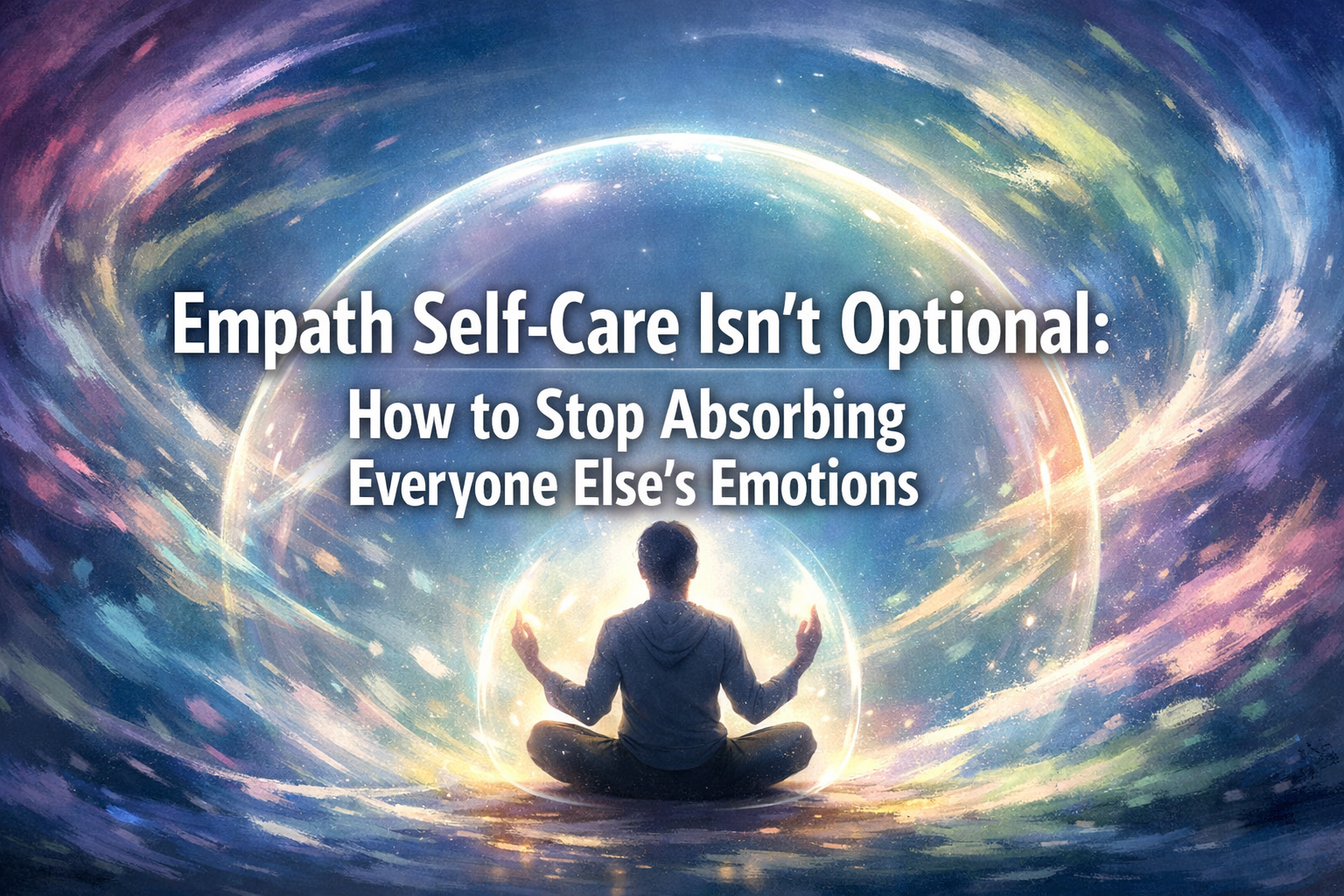
Do you ever walk into a room feeling perfectly fine, only to leave hours later emotionally exhausted, weighed down by feelings that aren’t even yours? Maybe you’ve spent time with a friend who was having a rough day, and then you found yourself feeling just as low, even though your own life was going well. If this sounds familiar, my friend, you’re likely an empath, and you’ve been absorbing others’ emotions. And let me tell you, that feeling of carrying the world on your shoulders? It’s a heavy burden. But what if I told you there are ways to put that burden down? Ways to navigate your sensitive world without constantly taking on everyone else’s stuff?
I’ve been there, truly. For years, I felt like a sponge, soaking up every stray emotion within a ten-mile radius. It was overwhelming, isolating, and often left me utterly depleted. I used to think it was just “part of being me,” a cross to bear. But the truth is, while our empathic nature is a profound gift, it also comes with a sacred responsibility: to ourselves. We have to learn to protect our precious energy, to set clear boundaries, and to practice self-care that isn’t just a luxury, but a lifeline. This isn’t about shutting down your empathy; it’s about channeling it wisely, so you can continue to offer your unique light to the world without burning out.
Key Takeaways
- Empath self-care is essential, not optional: Neglecting it leads to burnout, emotional overload, and even physical symptoms. It’s your foundation.
- Understanding how you absorb emotions is the first step: Recognizing the subtle ways you take on others’ feelings helps you intervene earlier.
- Boundaries are your best friend: Learning to create energetic and emotional boundaries protects your personal space and prevents you from absorbing others’ emotions.
- Grounding and daily practices are powerful tools: Simple, consistent routines can make a huge difference in maintaining your energetic integrity.
- You can be empathetic without being overwhelmed: It’s possible to connect deeply with others while still protecting your own emotional well-being.
What Is Empath Self-Care and Why It Matters
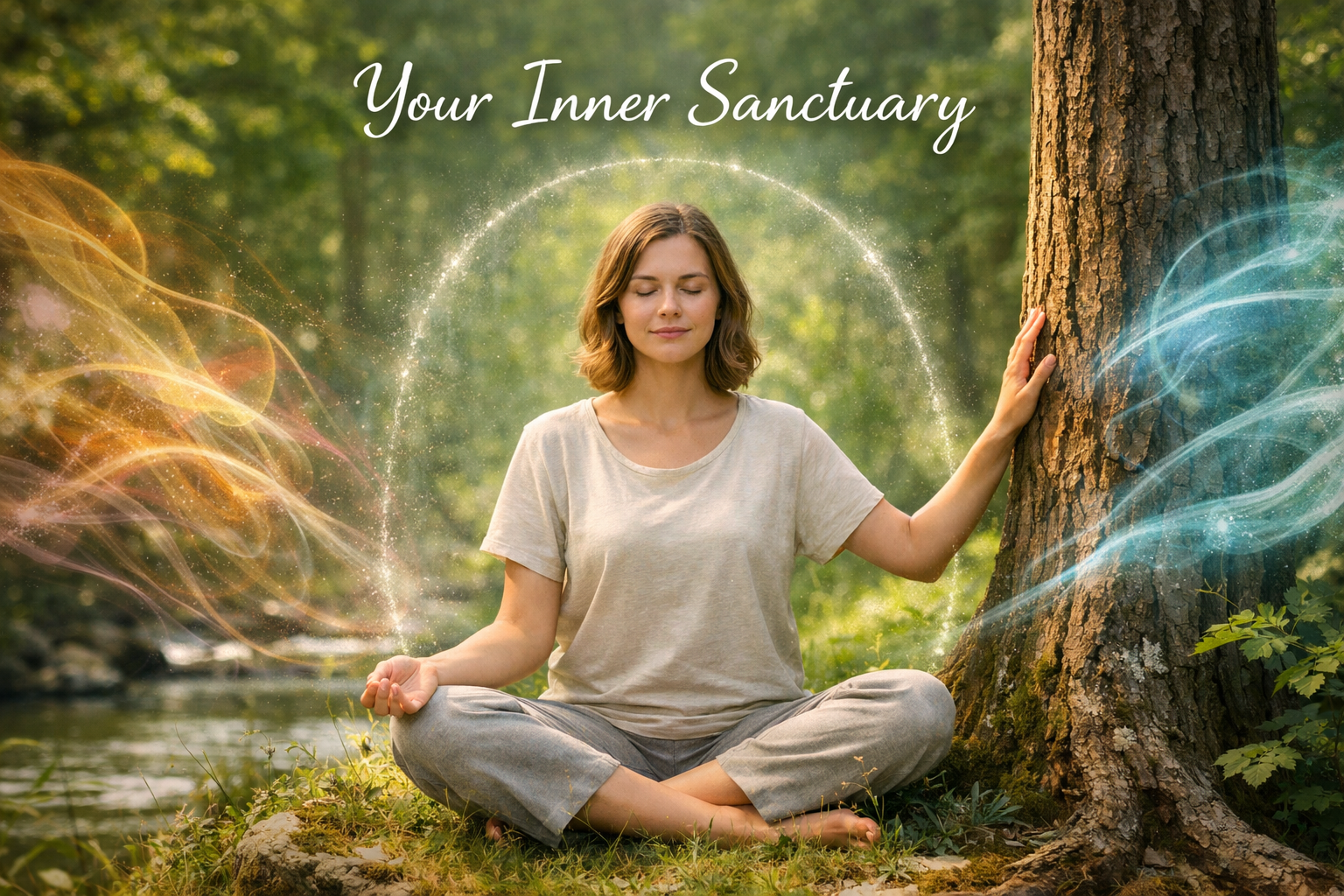
So, what exactly is “empath self-care”? It’s more than just a bubble bath, though those can be lovely, too! For us, self-care is a deliberate, conscious practice of managing our energy and protecting our sensitive nervous systems from the constant influx of external emotions and stimuli. You see, an empath’s emotional antenna is always on, always picking up signals. And sometimes, it feels like we don’t have a “volume” knob, right?
Imagine you have a finely tuned instrument, say, a beautiful, delicate violin. You wouldn’t just leave it out in the rain or bang it around, would you? You’d keep it in a protective case, clean it regularly, and tune it carefully. Your empathic self is just like that violin – exquisitely sensitive, capable of producing profound beauty, but also vulnerable if not cared for properly. Empath self-care is about building that protective case, cleaning out the energetic gunk, and tuning yourself so you can play your unique melody without getting broken or out of tune.
This isn’t about being selfish. Not at all. It’s about recognizing that you cannot pour from an empty cup. If you’re constantly drained, constantly absorbing others’ emotions, how much good can you truly do for anyone else, let alone yourself? The truth is, when you take care of your empathic self, you become a stronger, clearer, and more compassionate presence in the world.
Why Empath Self-Care Is Non-Negotiable
Okay, I’m going to be really direct here: for empaths, self-care isn’t just a nice idea or a trend. It’s absolutely vital for your mental, emotional, and even physical health. Why? Because without it, you run the risk of what I call “empathic meltdown.”
Think about it: you’re constantly processing feelings that aren’t yours, feeling the weight of the world, and often putting others’ needs before your own. This isn’t sustainable. It leads to burnout, anxiety, depression, and sometimes even physical symptoms like chronic fatigue, stomach issues, or headaches. I know this from personal experience, and I’ve seen it in countless other empaths. My own journey involved years of feeling utterly exhausted, convinced something was fundamentally wrong with me, until I began to understand that my sensitivity was a gift that needed careful tending, not a flaw to be overcome.
When you neglect self-care, you’re essentially leaving your energetic doors wide open, inviting any passing emotion or energy to walk right in and make itself at home. And then you wonder why you feel so crowded and overwhelmed inside. But when you make self-care a priority, you’re actively creating a sanctuary within yourself. You’re building those energetic doors, installing locks, and putting up signs that say, “Private Property – Respect My Energy.” And suddenly, you start to feel lighter, clearer, and more like you again. That’s why it’s non-negotiable.
How Empaths Absorb Other People’s Emotions
It sounds a bit like magic, or maybe even a little woo-woo, doesn’t it? “Absorbing emotions.” But it’s very real for us. It’s not about choosing to feel what someone else feels; it’s often an automatic process, like breathing. Our nervous systems are wired differently, more attuned, more porous. We don’t just notice subtle shifts in tone or body language; we feel the underlying emotional current.
Imagine you’re standing next to a speaker playing loud music. You don’t have to consciously try to hear it; the sound waves just hit your eardrums. In a similar way, emotional energy vibrates, and as empaths, our energetic fields are incredibly receptive to those vibrations. When someone is stressed, sad, angry, or anxious, that energy is palpable to us. And sometimes, without even realizing it, we start to feel that stress, sadness, anger, or anxiety within our own bodies. It can manifest as a tightness in the chest, a knot in the stomach, a sudden wave of inexplicable sadness, or even a low-grade irritation that seems to come out of nowhere.
It’s like our personal energetic boundaries are more like a sieve than a solid wall. We filter everything, but sometimes, a lot of unwanted stuff still gets through. And if we’re not aware of this process, or don’t have tools to manage it, we can end up carrying a lot of emotional baggage that doesn’t belong to us. That’s the challenge of absorbing others’ emotions.
Emotional Overload in Empaths
What happens when that sieve gets clogged, or when the emotional influx is just too much? That’s emotional overload. It’s that feeling of being completely swamped, like you’re drowning in a sea of feelings, and you can’t tell which way is up. It’s not just feeling a lot; it’s feeling too much from too many sources.
For me, emotional overload often feels like a buzzing in my head, a tightness in my throat, or a deep weariness that sleep doesn’t seem to fix. It can happen in crowded places, during intense conversations, or even after spending time with just one person who is going through a particularly difficult period. And the thing is, when we’re in this state of overload, it’s really hard to function. Our own thoughts become muddled, our decision-making skills plummet, and we might even become irritable or withdraw completely.
It’s crucial to recognize the signs of emotional overload because it’s a big red flag from your body and spirit saying, “Hey! Too much! Retreat and regroup!” Ignoring it just leads to deeper exhaustion and potentially more serious issues. This is why understanding how you personally experience absorbing others’ emotions is so powerful. When you know what it feels like, you can start to catch it early.
Signs of Empath Burnout

Empath burnout is a serious condition, my friend, and it’s distinct from just feeling a bit tired. It’s what happens when we’ve been pushing ourselves too hard, taking on too much, and neglecting our self-care for too long. It’s not just a bad day; it’s a chronic state of depletion. And it’s a direct consequence of continually absorbing others’ emotions without proper energetic hygiene.
Here are some tell-tale signs:
- Chronic Fatigue: You’re tired even after a full night’s sleep. It’s a deep, bone-weary exhaustion that seems to permeate every cell of your body.
- Irritability and Short Temper: Normally patient, you find yourself snapping at loved ones or feeling disproportionately annoyed by small things.
- Anxiety and Panic Attacks: A persistent sense of unease, or sudden, overwhelming feelings of dread that seem to come out of nowhere.
- Social Withdrawal: The thought of interacting with people feels utterly draining. You start canceling plans and craving extreme solitude.
- Difficulty Concentrating: Your mind feels foggy, and it’s hard to focus on tasks or hold a conversation.
- Increased Sensitivity to Stimuli: Lights seem too bright, sounds too loud, textures too scratchy. Your senses are on overdrive.
- Physical Ailments: Headaches, stomach problems, muscle aches, or a weakened immune system can all be physical manifestations of emotional burnout.
- Feeling Numb or Detached: As a defense mechanism, you might start to feel emotionally flat, as if you’ve built a wall around your heart. This is your system trying to protect itself, but it also means you’re losing touch with your own feelings.
If you’re nodding along to several of these, please know you’re not alone, and it’s a clear sign that it’s time to re-evaluate your self-care practices.
Nervous System Dysregulation in Empaths
When we talk about empath burnout, it’s really important to understand what’s happening at a deeper level within our bodies. It’s often linked to something called nervous system dysregulation. Our nervous system, particularly the autonomic nervous system, is responsible for managing our stress response (fight, flight, or freeze) and our relaxation response (rest and digest). For empaths, this system can easily become overactive and stay in a heightened state of alert.
Imagine your nervous system as a car’s engine. Most people’s engines might rev up when they hit the gas, and then settle back down when they release it. But for empaths experiencing dysregulation, it’s like the engine is constantly running at a high RPM, even when you’re just idling. You’re always on edge, always scanning for potential threats (or emotional information), and your body is producing stress hormones even when there’s no immediate danger. This constant activation is incredibly draining and leaves us feeling perpetually exhausted and wired at the same time.
This dysregulation is a direct result of constantly absorbing others’ emotions and stimuli without adequate processing and release. It’s why you might feel keyed up at night, unable to relax, even though you’re utterly spent. Addressing this isn’t just about feeling better emotionally; it’s about bringing your entire physiological system back into balance.
Emotional Boundaries for Empaths
Okay, so we know we’re sponges, and we know what happens when we soak up too much. So, what’s the solution? Boundaries, my dear friend. Emotional boundaries are your invisible force field, your energetic shield. They are the clear lines you draw between your feelings and someone else’s, between your energy and their energy. And yes, I know, the word “boundaries” can sometimes feel sharp or unfriendly. But for empaths, they are truly an act of profound self-love.
Think of it like this: You have your own beautiful garden inside you. It’s full of your unique flowers, your sunshine, your precious soil. When you don’t have boundaries, people can just walk right into your garden, trample your flowers, plant their own weeds, or even take some of your soil. But with boundaries, you’re putting up a fence, a gate. You’re saying, “My garden is sacred. You are welcome to visit, but please stay on the path, and don’t bring your weeds in.”
This doesn’t mean you stop caring or become cold. On the contrary! When you have strong boundaries, you actually have more energy and compassion to give, because you’re not constantly being drained. You can listen, offer support, and be present without taking on their pain as your own. It’s about discerning what is yours and what belongs to someone else. And it’s a practice, not a perfect state. We learn and refine them over time.
Protecting Your Energy Without Guilt
This is a big one for us, isn’t it? The guilt. “But if I set a boundary, am I being selfish? Am I abandoning my friend? Am I being unkind?” These thoughts can race through our minds, driven by our deep desire to help and connect. But here’s the honest truth: protecting your energy isn’t selfish; it’s self-preservation. And it actually allows you to be more genuinely helpful in the long run.
Imagine a lifeguard. If the lifeguard is exhausted, struggling to swim themselves, and constantly pulling everyone out of the water even when they’re not in real danger, how effective will they be when someone genuinely needs saving? Not very. But a lifeguard who takes care of themselves, knows their limits, and assesses situations carefully is a much more effective rescuer. You are that lifeguard for your own emotional well-being.
- Remember your “why”: You’re protecting your energy so you can continue to be a loving, compassionate person, not so you can become hardened.
- It’s not about rejecting others, but affirming yourself: You’re not saying “no” to them; you’re saying “yes” to your own well-being.
- They might not even notice (or it might be good for them): Often, our fear of how others will react is bigger than the actual reaction. And sometimes, our boundaries actually encourage others to take more responsibility for their own feelings, which is a good thing!
Let go of the guilt, my friend. It’s an old habit that no longer serves your empathic heart. Your energy is precious, and you have every right to protect it.
How to Stop Absorbing Other People’s Emotions

Okay, so you’re ready to stop being an emotional sponge. How do we actually do it? It’s a multi-layered approach, but it starts with awareness and intention. The moment you catch yourself starting to feel that familiar shift – that feeling of heaviness, anxiety, or sadness that isn’t yours – that’s your cue to engage your tools.
Here are some immediate strategies you can use:
- Visualize a Shield: This is a classic for a reason. Imagine a protective bubble, a cloak of light, or a clear, strong shield surrounding your entire body. See it deflecting external energies, allowing only love and positive intentions to enter, and keeping everything else out. You can even visualize it as a one-way mirror, where you can see out, but others can’t fully penetrate your space.
- Ground Yourself: Feel your feet on the ground. Imagine roots growing from the soles of your feet deep into the earth, anchoring you. This connects you to stable, grounding energy and helps to release excess emotional static.
- Breathe Deeply: When you feel yourself tensing up or feeling overwhelmed, take a few slow, deep breaths. Inhale through your nose, hold briefly, and exhale slowly through your mouth. Imagine releasing tension and unwanted energy with each exhale.
- Set an Intention: Silently or verbally state, “I am not taking on this emotion. This is not mine.” This simple declaration can be surprisingly powerful in creating that energetic separation.
- Physical Movement: If possible, physically remove yourself from the intense energetic situation for a few moments. A quick walk, stepping outside for fresh air, or even just moving to a different spot in the room can create a much-needed energetic break.
- “Zip Up” Your Aura: Imagine zipping up your energetic field from your root chakra (base of your spine) all the way up to your throat or even above your head. This symbolic act helps to close off your aura from unwanted energetic intrusion.
These are immediate, in-the-moment tools. The more you practice them, the more natural they become, and the more quickly you can shift out of that “absorbing” mode.
Grounding Techniques for Empaths
Grounding is a cornerstone of empath self-care, especially when it comes to stopping yourself from absorbing others’ emotions. It’s essentially about connecting back to the earth’s stable energy, bringing yourself fully into your body, and releasing excess or foreign energy.
Try these regularly:
- Barefoot on the Earth: Whenever possible, walk barefoot on grass, sand, or even dirt. This is called “earthing” or “grounding,” and it’s incredibly potent. Feel the cool or warm texture beneath your feet and imagine any heavy, foreign energy draining out of you and into the earth, which can neutralize it.
- Tree Hugging (Seriously!): Find a sturdy tree and lean against it, or even give it a hug. Feel its solidity, its deep roots. Imagine its strength and stability flowing into you, and your excess energy flowing into the tree and earth for transmutation.
- Mindful Eating: Pay full attention to your food. Notice the colors, textures, smells, and tastes. This simple act brings you fully into the present moment and into your physical body, anchoring you.
- Nature Walks: Spending time in nature – a park, a forest, by a lake or ocean – is inherently grounding. Focus on the sights, sounds, and smells of the natural world, allowing its peaceful rhythm to soothe your nervous system.
- Root Chakra Meditation: Sit or lie down comfortably. Focus your attention on the base of your spine, your root chakra. Visualize a bright red light there, or imagine thick roots growing from this area, extending deep into the earth’s core, firmly anchoring you.
- Holding a Grounding Stone: Carry a grounding crystal like black tourmaline, hematite, or obsidian. When you feel overwhelmed, hold it in your hand and focus on its weight and solidity.
Consistent grounding practices are like daily maintenance for your energetic field. They help you stay centered and prevent that feeling of being unmoored or overly affected by external energies.
Self-Care for Highly Sensitive People and Empaths
Beyond the immediate tools, there’s the daily rhythm of self-care. It’s about creating a lifestyle that supports your sensitive nature. Because let’s be real, life as an empath or highly sensitive person (HSP) isn’t always easy. The world is loud, fast, and often overwhelming. But you can carve out your own peaceful corner within it.
This means being intentional about everything from your social interactions to your home environment. Think about what truly nourishes you, what recharges your batteries, and what helps you release what you’ve absorbed. And don’t be afraid to experiment! What works one day might not work another, and what works for one empath might not work for another. The important thing is to be curious and kind to yourself as you explore.
Remember that vulnerability I mentioned? Part of true self-care for us is acknowledging our limits without shame. It’s okay to say no. It’s okay to need more quiet time than others. It’s okay to feel deeply. These are not flaws; they are simply characteristics of your beautiful, sensitive self. And the more you honor them, the stronger and more resilient you become.
Daily Self-Care Practices That Actually Work
These aren’t one-off fixes, but consistent habits that build resilience over time. Integrate them into your 2026 routine, even if it’s just for a few minutes a day.
- Establish a Morning Ritual: Before you engage with the world (and its emotions), dedicate 15-30 minutes to yourself. This could be meditation, journaling, gentle stretching, or simply sipping your coffee in silence. This sets a protective tone for your day and strengthens your internal boundaries before you start absorbing others’ emotions.
- “Energetic Shower” or Cleansing: After spending time in busy places or with emotionally intense people, visualize taking an energetic shower. Imagine water (or light) washing over you, cleansing away any lingering energies or emotions that aren’t yours. Some empaths find smudging with sage or palo santo helpful, or using essential oil sprays.
- Journaling for Release: Writing down your thoughts and feelings is a powerful way to process emotions and discern what belongs to you and what you’ve picked up from others. It’s like an emotional detox. Just write, without judgment, and then metaphorically release it.
- Schedule Alone Time (and Protect It Fiercely): This is non-negotiable. Whether it’s an hour each evening or a dedicated day each week, create sacred alone time for recharging. Turn off your phone, close your door, and do something that genuinely replenishes you.
- Mindful Movement: Yoga, walking, dancing, tai chi – anything that gets you into your body and moving gently can help release stagnant energy and ground you.
- Create a Sanctuary Space: Designate a corner or an entire room in your home as your personal sanctuary. Fill it with things that bring you peace, comfort, and joy. Make it a place where you can retreat and truly relax without external stimuli.
- Set Digital Boundaries: Limit screen time, especially social media and news, which can be huge sources of external emotional overwhelm. Be mindful of what you’re consuming.
- Nature Immersion: As mentioned before, regular doses of nature are like medicine for the empath’s soul. Make it a habit to spend time outdoors, even if it’s just looking out a window.
- Connect with Fellow Empaths/HSPs: Finding your tribe, those who truly “get it,” can be incredibly validating and supportive. Sharing experiences reduces feelings of isolation.
- Practice Self-Compassion: Be kind to yourself. You’re navigating the world with a superpower, but it also comes with unique challenges. Treat yourself with the same love and understanding you offer others.
By consistently integrating these practices into your life, you’ll not only stop absorbing others’ emotions as intensely, but you’ll also cultivate a deep well of inner strength and peace that will serve you, and the world, beautifully.
Conclusion
Navigating the world as an empath can feel like a daunting task, a constant balancing act between deep connection and overwhelming absorption. But as we’ve explored, your sensitivity is not a flaw; it’s a profound gift. The key lies not in trying to change who you are, but in learning to skillfully manage your energetic and emotional boundaries, and to prioritize self-care as an essential part of your daily life.
You now have a toolkit of strategies, from immediate grounding techniques to daily self-care rituals, all designed to help you stop absorbing others’ emotions and reclaim your energetic sovereignty. It’s a journey, not a destination, and there will be days when you feel like you’re still soaking everything up. That’s okay. What matters is that you’re now equipped with awareness and tools to gently guide yourself back to center.
So, my friend, take a deep breath. You are not alone on this path. Embrace your empathic nature, set those loving boundaries, and make self-care your unwavering commitment in 2026. Your well-being isn’t optional; it’s the foundation upon which you build a life of purpose, peace, and authentic connection. Go forth, protect your beautiful heart, and shine your unique light brightly.